Strategic Maintenance Practices for Durable and Attractive Siding
Maintaining exterior siding plays a significant role in preserving both the appearance and structural integrity of a home. Over time, siding is exposed to changing weather conditions, moisture, debris, and sunlight, all of which gradually affect its condition. Without consistent attention, small issues can develop into more noticeable damage that impacts curb appeal and performance. This is why professional siding services are an important part of ongoing property care, offering structured maintenance that aligns with the material and environmental conditions of each home.
Siding serves as a protective barrier against wind, rain, temperature fluctuations, and pests, making its upkeep essential for long-term durability. A well-maintained exterior not only enhances visual appeal but also contributes to energy efficiency and interior comfort. Through routine inspections, cleaning, repairs, and protective treatments, siding services help extend the lifespan of materials while reducing the likelihood of costly future work. Understanding how different siding materials behave and how professionals maintain them provides valuable insight into protecting a home's exterior investment.
Identifying Common Siding Materials
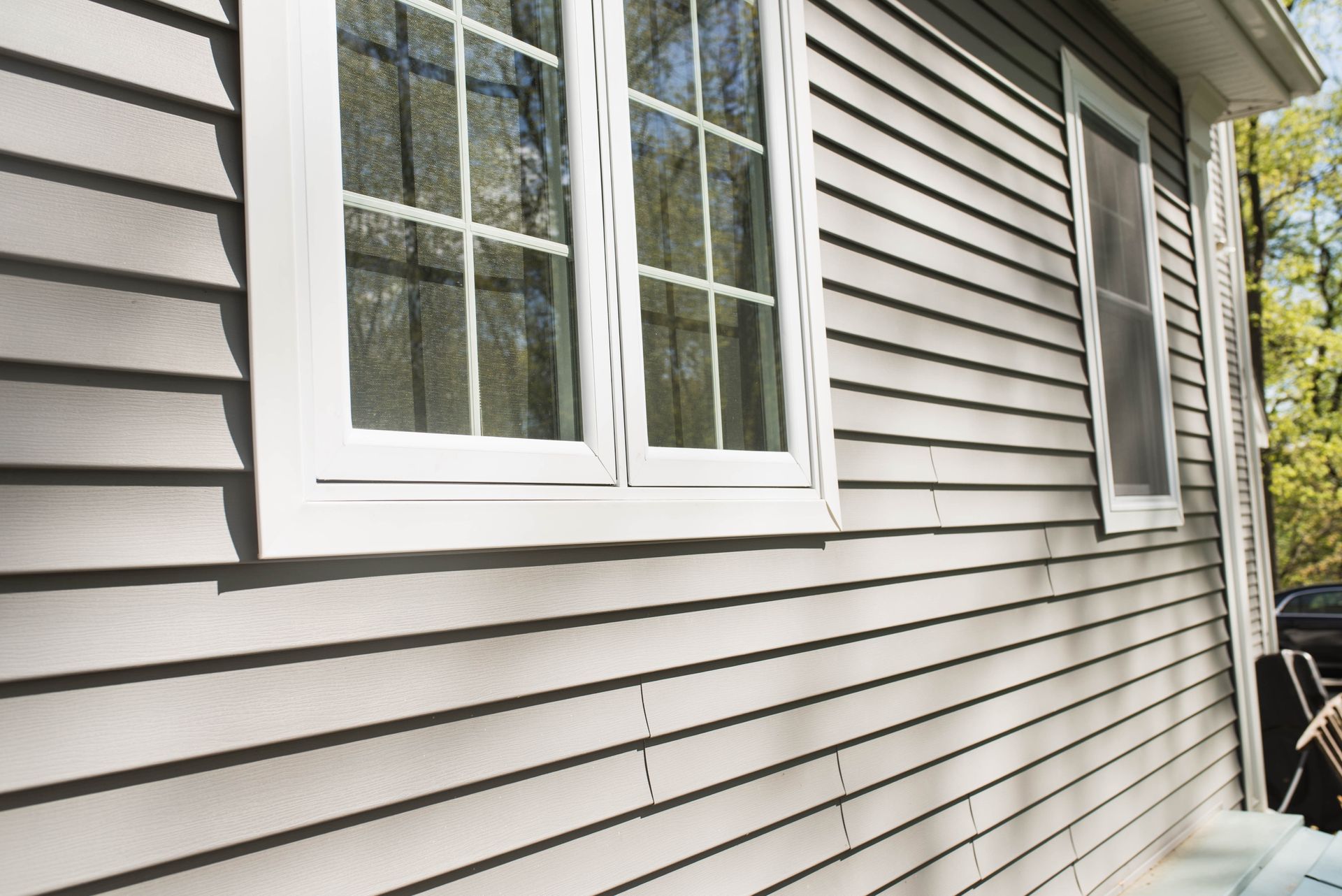
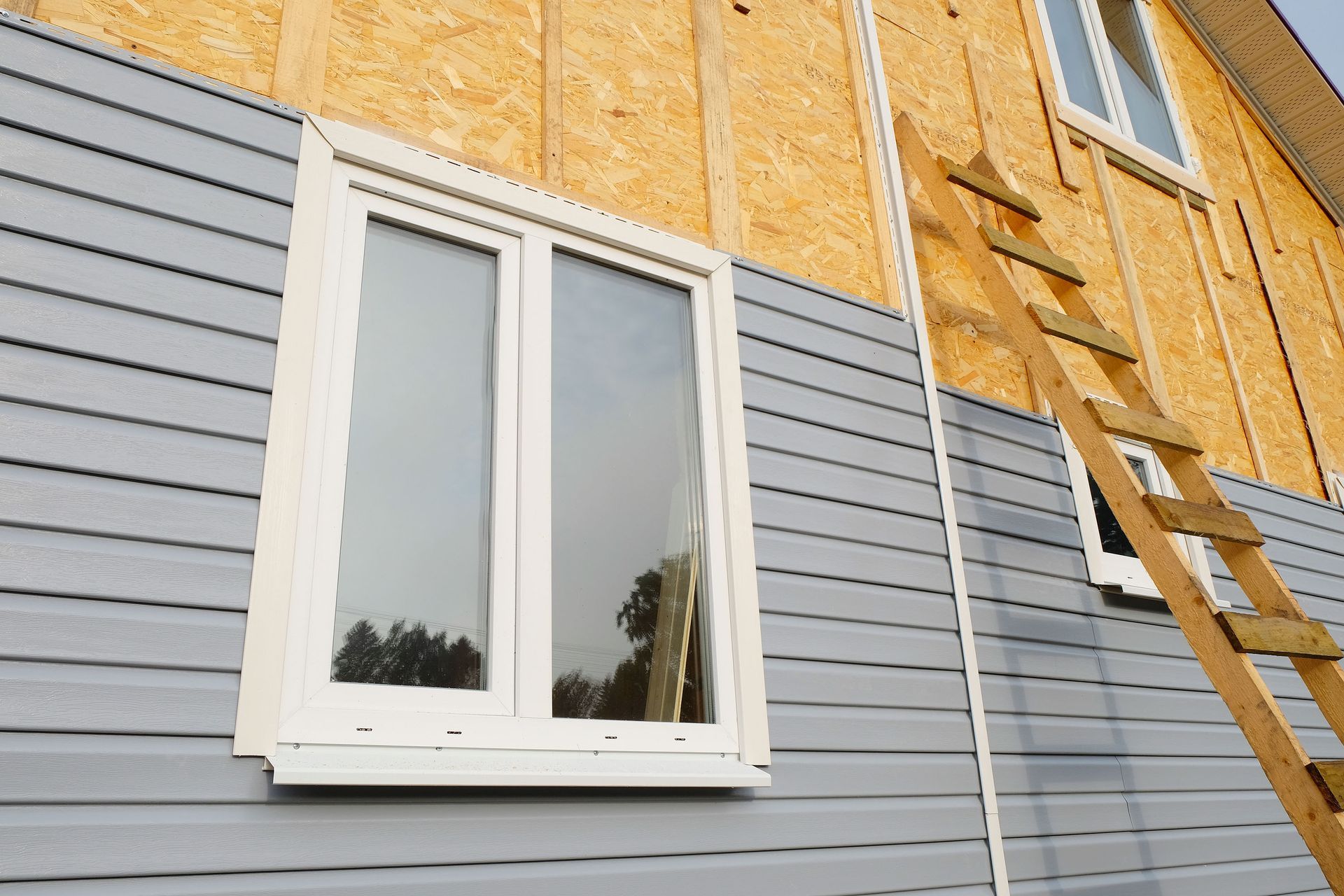
Different siding materials require different maintenance approaches, and professional siding services tailor their methods accordingly. Vinyl siding is widely used due to its durability and relatively simple upkeep. It resists moisture and pests but can still develop cracks or discoloration over time. Routine cleaning and periodic inspections help maintain its appearance and functionality, particularly in areas exposed to harsh weather or debris.
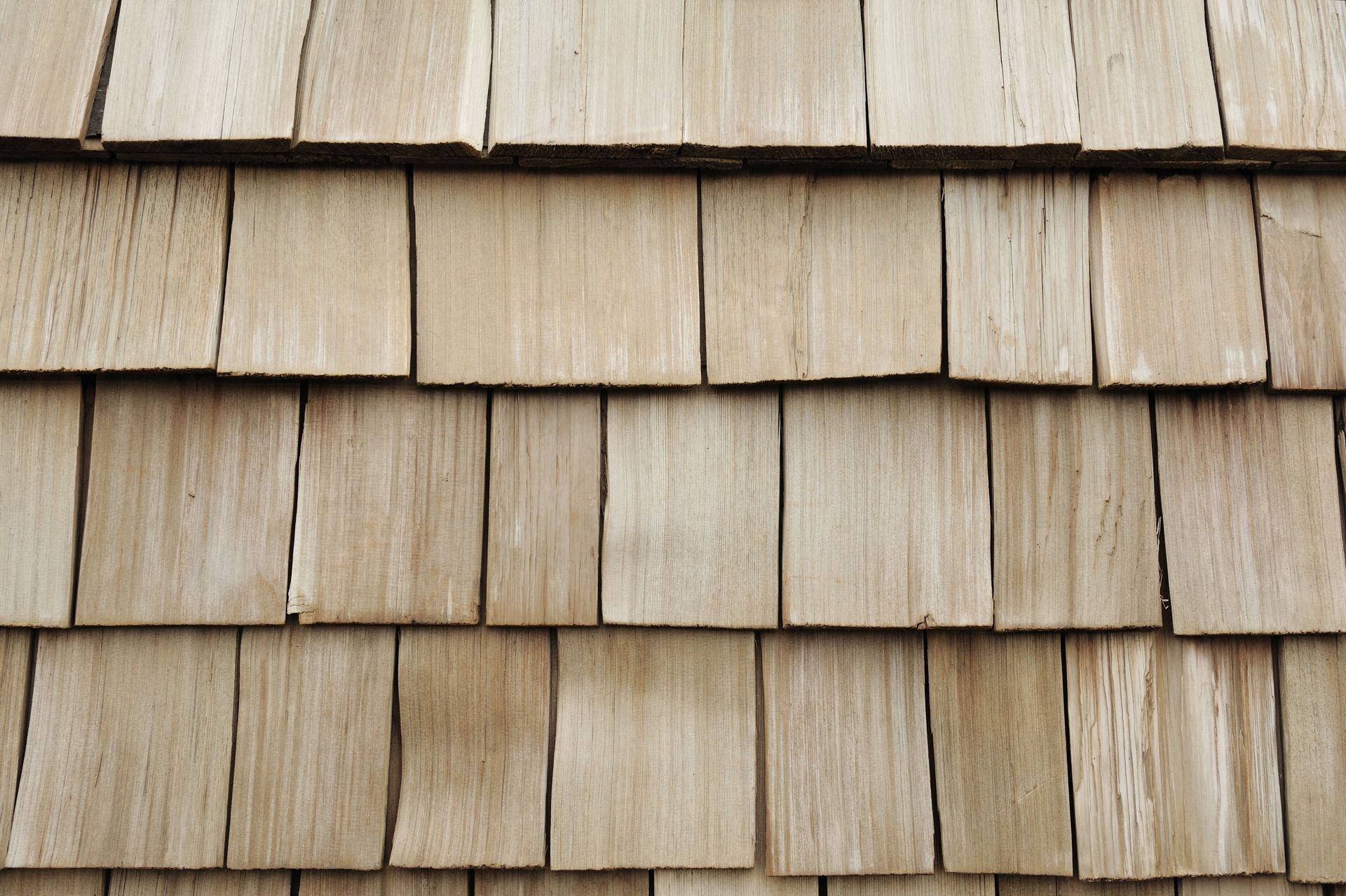
Wood siding offers a classic, natural look but requires more frequent attention. It is more susceptible to moisture, insects, and environmental wear. Regular sealing, staining, or painting helps preserve its structure and appearance. According to This Old House, depending on wear and tear, a fresh coat of paint every 5 to10 years can keep your home looking newly painted. This guideline highlights the importance of maintaining protective finishes, especially for materials like wood that are more vulnerable to exposure.
Fiber cement and brick siding provide durability and resistance to many environmental factors, but they are not completely maintenance-free. Fiber cement benefits from repainting and crack repairs over time, while brick requires attention to mortar joints and moisture control. Metal siding, often used for modern designs, requires monitoring for dents or corrosion. Professional siding services evaluate these material-specific needs and apply targeted care strategies that support long-term performance.
Conducting Routine Exterior Inspections
Routine inspections are a foundational part of maintaining siding, allowing professionals to identify issues before they progress. These inspections typically involve a detailed visual assessment of the entire exterior, including corners, seams, and areas around windows and doors. Early signs of wear, such as cracks, gaps, or fading, are easier to address when caught promptly.
In addition to visible damage, inspections often focus on less obvious concerns like moisture intrusion or shifting panels. Water stains, mold growth, or warped sections may indicate underlying issues that require attention. Professional siding services use their experience to recognize these warning signs and recommend appropriate next steps, helping prevent further deterioration.
Documenting inspection findings is another important aspect of professional maintenance. Keeping a record of changes over time allows property owners to track patterns and prioritize repairs. This organized approach supports better decision-making and helps maintain consistency in exterior care. With regular inspections, siding remains in better condition and continues to perform its protective role effectively.
Applying Effective Cleaning Methods
Cleaning is a key component of siding maintenance, as dirt, mold, and pollutants can accumulate over time and affect both appearance and durability. Professional siding services use cleaning methods that align with the material type, avoiding damage while achieving thorough results. For example, vinyl siding may be cleaned with mild detergents, while wood surfaces require gentler, specialized solutions.
Pressure washing is sometimes used, but it must be handled carefully to avoid harming the siding. Professionals adjust pressure levels and maintain appropriate distances to protect the surface. This approach removes buildup without causing cracks, dents, or paint damage. Proper technique plays a major role in maintaining the integrity of siding during cleaning.
Stain removal and mold prevention are also addressed during cleaning processes. Organic growth, such as algae or mildew, can develop in shaded or damp areas, affecting both appearance and material health. Professional siding services apply treatments that eliminate these issues and reduce the likelihood of recurrence. Regular cleaning not only improves curb appeal but also supports the longevity of siding materials.
Addressing Repairs and Structural Concerns
Over time, siding may develop damage that requires repair, ranging from minor cracks to more significant structural concerns. Addressing these issues promptly is essential for maintaining the protective barrier that siding provides. Professional siding services identify the extent of the damage and apply appropriate repair methods based on the material and condition.
Small cracks and gaps are typically sealed to prevent moisture intrusion, while damaged panels may need replacement. Matching materials and proper installation techniques are important for maintaining a consistent appearance and effective coverage. Professionals handle these repairs with attention to detail, helping preserve both function and visual continuity.
Water damage is one of the more serious issues that can affect siding, often requiring a more in-depth approach. Identifying the source of moisture and correcting it is critical to prevent further damage. Siding services may also involve checking insulation and underlying structures to address hidden concerns. Taking action early reduces the risk of extensive repairs and helps maintain the home's overall condition.
Enhancing Protection with Preventive Measures
Preventive maintenance plays a major role in extending the lifespan of siding. Protective coatings, sealants, and finishes are commonly used to shield materials from environmental exposure. These treatments help resist moisture, UV rays, and general wear, contributing to long-term durability. Professional siding services apply these solutions based on manufacturer recommendations and environmental conditions.
Weather barriers and insulation improvements are additional measures that support siding performance. These elements work together to reduce moisture infiltration and improve energy efficiency. When properly installed and maintained, they enhance the overall effectiveness of the exterior system. Professional evaluation helps determine when these upgrades are beneficial.
Advancements in siding materials and technology also provide new opportunities for improved performance. Options such as UV-resistant finishes or low-maintenance materials can reduce the frequency of upkeep while maintaining visual appeal. Siding services often include recommendations for these upgrades, helping homeowners make informed decisions about long-term improvements.
Adapting Maintenance to Seasonal Changes
Fluctuations in the weather can have a direct impact on siding, making it important to adjust maintenance practices throughout the year. In spring, inspections and cleaning help address any damage caused by winter conditions. Removing debris and checking for cracks or moisture issues prepares siding for warmer weather.
Summer maintenance focuses on managing heat and UV exposure. This may involve checking for fading or surface wear and applying protective treatments as needed. Proper ventilation and airflow around the home also help reduce stress on siding materials during hotter months.
Maintaining exterior siding is an ongoing process that contributes to both the appearance and structural stability of a home. Through inspections, cleaning, repairs, and preventive measures, professional siding services provide a comprehensive approach to exterior care. Each step plays a role in protecting siding from environmental factors while extending its lifespan and maintaining its visual appeal.
A consistent maintenance plan helps reduce the likelihood of major repairs and supports long-term property value. By addressing issues early and adapting care strategies to different materials and seasons, siding remains a reliable barrier against the elements. Investing in professional siding services offers a practical way to keep your home’s exterior in strong condition.
If your home's exterior has not been evaluated recently, now is a great time to schedule a professional assessment with John Cecere Siding and explore
siding services that align with your property’s needs.