October 22, 2026
Investing in the exterior envelope of your residence represents a major decision that influences curb appeal, weather resistance, and thermal efficiency. Siding serves as the primary barrier protecting your architectural framework from wind, driving rain, seasonal humidity, and temperature fluctuations. When exterior cladding ages, warps, or deteriorates, moisture can infiltrate wall cavities, leading to hidden rot and structural compromise. Embarking on a siding replacement or major renovation requires careful planning, skilled craftsmanship, and meticulous attention to detail. Many property owners feel overwhelmed by the sheer volume of choices regarding panel materials, insulation profiles, and installation methods. Partnering with seasoned local siding contractors ensures that your property receives high-quality materials and professional workmanship tailored to your regional climate.
1. What Professional Credentials Do You Hold?
Verifying professional qualifications is an essential initial step before permitting any trade crew to work on your home exterior. Qualified siding specialists should carry comprehensive general liability insurance and workers' compensation coverage to protect homeowners from liability in the event of job-site accidents or unintentional property damage. Additionally, premier contractors obtain municipal trade licenses and maintain active standing with regional building departments. Inquiring about manufacturer certifications reveals whether the installation crew has completed specialized factory training for specific cladding products, such as fiber cement, insulated vinyl, or engineered wood.
Contractors with factory certifications demonstrate a verified mastery of proprietary installation specifications that preserve manufacturer coverage. Reputable local siding contractors will readily present documentation of current insurance certificates, relevant trade registrations, and factory accreditations upon initial request. They should also provide recent regional references or direct you to portfolios showcasing completed siding installations within your immediate community. Speaking with past clients provides authentic perspective on how the team handles timelines, maintains communication, and resolves unexpected challenges during exterior renovation projects.
2. What Installation Techniques Do You Utilize?
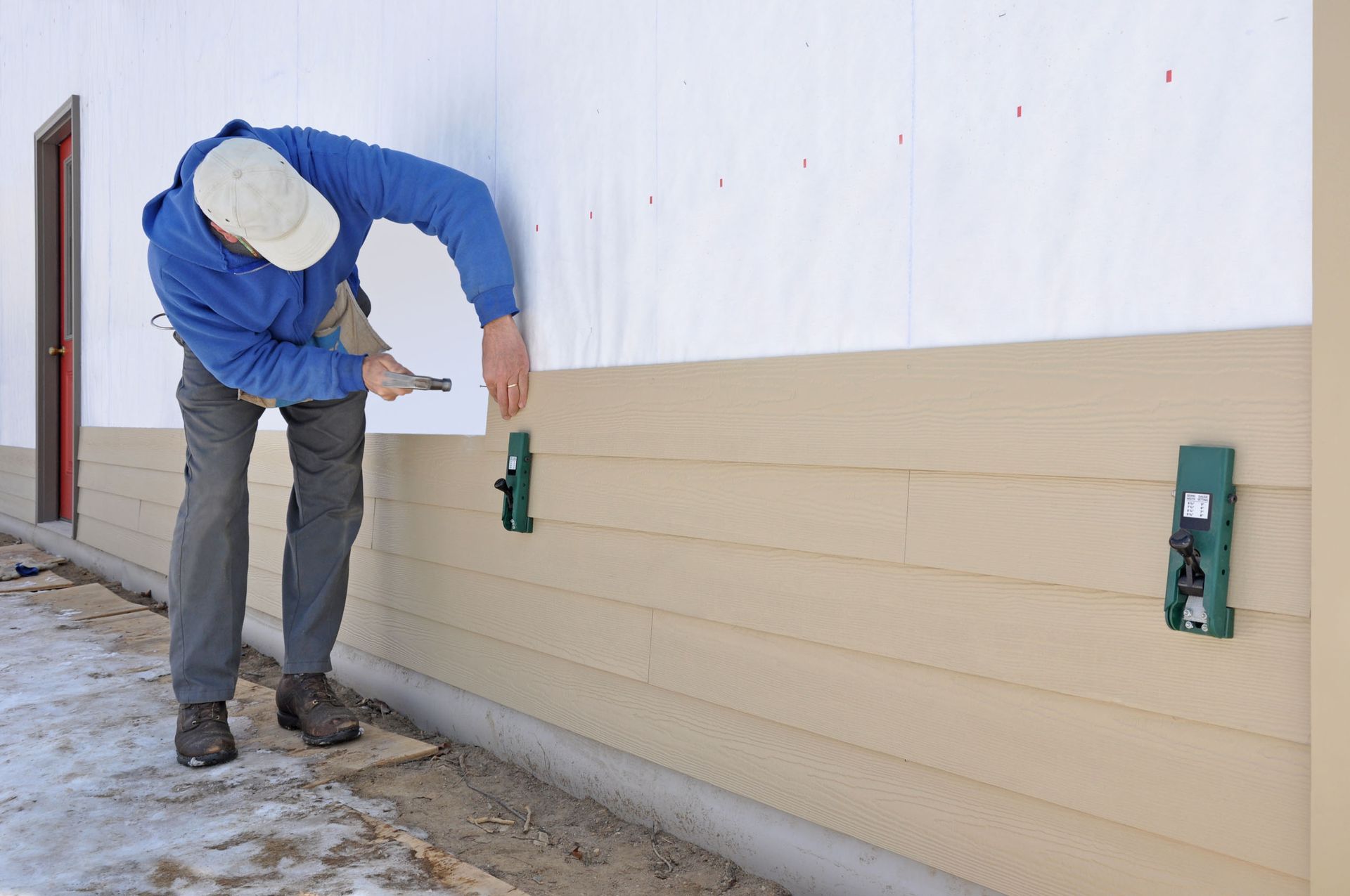
A durable exterior siding system relies on meticulous underlying preparation rather than simply nailing decorative panels onto wall sheathing. When questioning prospective installers, ask about their procedures for inspecting substrate sheathing for preexisting moisture damage, dry rot, or fungal decay prior to hanging new cladding. A thorough renovation process should always involve repairing deteriorated structural sheathing to ensure a solid, planar nailing base. Inquire whether the crew installs high-performance weather-resistant house wrap, specialized vapor barriers, and self-adhering flashing tapes around window and door perimeters.
Proper flashing and moisture barrier integration ensure that incidental precipitation cannot penetrate behind cladding panels and seep into interior wall framing. Knowledgeable local siding contractors understand how seasonal temperature swings cause building materials to expand and contract throughout the year. They utilize specialized fastening depths, leave appropriate thermal expansion gaps at panel joints, and incorporate rainscreen drainage channels behind siding boards. Asking detailed questions about these moisture mitigation strategies guarantees that your installation follows sound architectural science, preventing future warping, panel buckling, and moisture intrusion.
3. What Material Options Do You Recommend?
Every siding material features unique characteristics regarding architectural appeal, insulation capability, maintenance demands, and physical durability. Contemporary homeowners can choose between versatile vinyl profiles, resilient fiber cement planks, traditional cedar shakes, and durable composite cladding systems. During your consultation, ask the contractor to explain why particular materials align best with your regional weather conditions and aesthetic goals. For instance, homes in areas prone to severe humidity, intense sunlight, or freeze-thaw cycles require cladding formulations that resist moisture absorption, pest damage, and color fading.
According to research from HomeGuide, while choosing full siding replacement encompasses a greater structural scope than simple patching, the comprehensive upgrade enhances curb appeal, lowers household energy consumption, extends building longevity, and yields a 60% to 80% return on investment. Dedicated local siding contractors will take the time to evaluate your existing architectural style, discuss insulation enhancements, and display physical material samples. They will explain the practical distinctions between various panel profiles, textured finishes, and trim accessories, ensuring you select a cladding system that optimizes exterior protection and long-term visual charm.
4. What Project Warranties Do You Provide?
Understanding the coverage backing your new siding installation provides essential peace of mind throughout the lifespan of the project. A complete protection package involves distinct safeguards: the manufacturer material guarantee and the contractor workmanship agreement. Manufacturer warranties generally protect against manufacturing defects, such as premature fading, peeling, blistering, or cracking under normal weather exposure. However, material manufacturers will void coverage if investigation reveals that the contractor installed panels improperly or failed to adhere strictly to printed installation guidelines.
Asking detailed questions about workmanship coverage clarifies how the installation company stands behind its daily craftsmanship. Premier local siding contractors provide written workmanship agreements that cover labor and installation integrity for a defined term of years following project completion. Inquire about the exact process for reporting concerns, how quickly service teams respond to warranty requests, and whether coverage transfers seamlessly to future homeowners if you decide to relocate. Securing comprehensive written guarantees protects your home against unforeseen installation errors, ensuring prompt attention should minor issues arise.
5. What Site Management Protocols Do You Follow?
A comprehensive siding replacement involves substantial physical activity, material staging, and debris generation across your home grounds. Stripping old cladding releases thousands of nails, fragmented siding planks, and construction dust that can impact landscaping, driveways, and adjacent walkways. Inquiring about daily site management practices ensures that you understand how the crew will maintain safety, orderliness, and security throughout the active construction phase. Ask who will supervise the project on-site daily, how workers protect delicate shrubbery, and where dumpsters or replacement materials will be staged.
Professional site management reflects the overall respect and organizational discipline an installation crew brings to your property. Experienced local siding contractors utilize heavy-duty tarps to catch falling debris and deploy magnetic sweepers multiple times daily to collect stray fasteners that could damage vehicle tires or endanger pets. They establish clear working hours, outline daily cleanup procedures, and designate a primary project manager to keep you updated on progress. Inquiring about site safety protocols ensures a tidy property and a smooth renovation experience from start to finish.
Transforming the exterior of your residence requires thoughtful preparation, clear communication, and skilled craftsmanship from your chosen installation team. Presenting targeted questions regarding professional credentials, moisture management techniques, material selections, workmanship guarantees, and daily job-site cleanup empowers you to make confident decisions for your property. Siding does far more than enhance neighborhood curb appeal; it forms the protective boundary that shields your home against harsh weather extremes, moisture infiltration, and seasonal heat loss. Investing the time to evaluate trade professionals thoroughly guarantees that your exterior upgrade delivers decades of beauty, durability, and dependable weather protection. Engaging qualified local siding contractors ensures that your property receives personalized recommendations, careful architectural planning, and exceptional attention to detail at every phase of the project.
A beautiful, professionally installed siding system elevates the appearance of your residence and provides lasting structural security for your household. Taking the initiative to ask critical questions before construction begins sets the stage for a smooth, stress-free exterior remodeling journey. If you are ready to upgrade your home exterior with premium materials and expert craftsmanship, contact us at John Cecere Siding today. We will help you select the ideal cladding profile, design a customized exterior plan, and deliver flawless installation tailored to your unique architectural vision.